
Online classes · ages 8–18
Developmental classes for kids in Gdańsk — memory and study skills online
Space Memory offers online developmental classes for children aged 8–18: memory, focus, speed reading and learning how to learn. A child in Gdańsk joins a coach and a group of their age from home, and practises on the Space Memory platform between classes.
Online developmental classes for children in Gdańsk
A child in Gdańsk can sign up for Space Memory and learn online, from home. We are not a bricks-and-mortar school — there are no classrooms in Gdańsk or in any other city. All classes take place over the internet, in groups of 5–10 children, for 90 minutes once a week with a coach.
This isn't tutoring in one subject. We teach a way of working with material that helps in every lesson: how to remember vocabulary and dates, how to read a chapter with understanding, how to spread revision before a test over several days instead of one evening. The coach shows the technique in class, and the child then reinforces it in short exercises on the platform — about ten minutes a day.
Not sure which direction to choose? Start with the free test: three game-style tasks show what comes easier to your child and what is harder. After the test, or straight away through the form, a manager will suggest a group for your child's age.
Four directions to choose from
What can a child learn on the course?
These are skills we practise in class and on the platform. We don't promise particular marks — those depend on many things beyond the course.
- Memory techniques — turning words, dates and definitions into images and associations that are easier to recall.
- The memory palace — memorising longer lists and sequences — point by point, along a familiar route.
- Concentration — staying on one task to the end, in short blocks with breaks.
- Faster work with texts — reading at a better pace without losing the meaning; we measure speed and comprehension together.
- Organising study — a plan of work before a test, and notes that are actually useful for revision later.
- Effective revision — revision spread out over time instead of one evening before a test.
What do online classes look like?
Classes look the same for every student, whether they live in Gdańsk or another city: the child connects from home, and a computer and internet are all it takes. Here is what a week of learning consists of.
Find out where a child in Gdańsk could start: leave a request or take the free test — it takes about seven minutes.
What age is the course for?
We form groups by age, not by district or school — a child from Gdańsk joins peers from different cities.
Ages 8–9
We start at eight because the techniques rely on confident reading and writing. The material is shorter, and at home the child comes up with images together with a parent.Ages 10–12
School material grows and simple repetition stops keeping up — the techniques help with vocabulary, dates and definitions.Ages 13–15
We work on whatever the student has at school right now: a study plan and revision before tests.Ages 16–18
Less about memorising as such, more about choices and the calendar: how to get through the material in time for tests and exams.The Space Memory platform
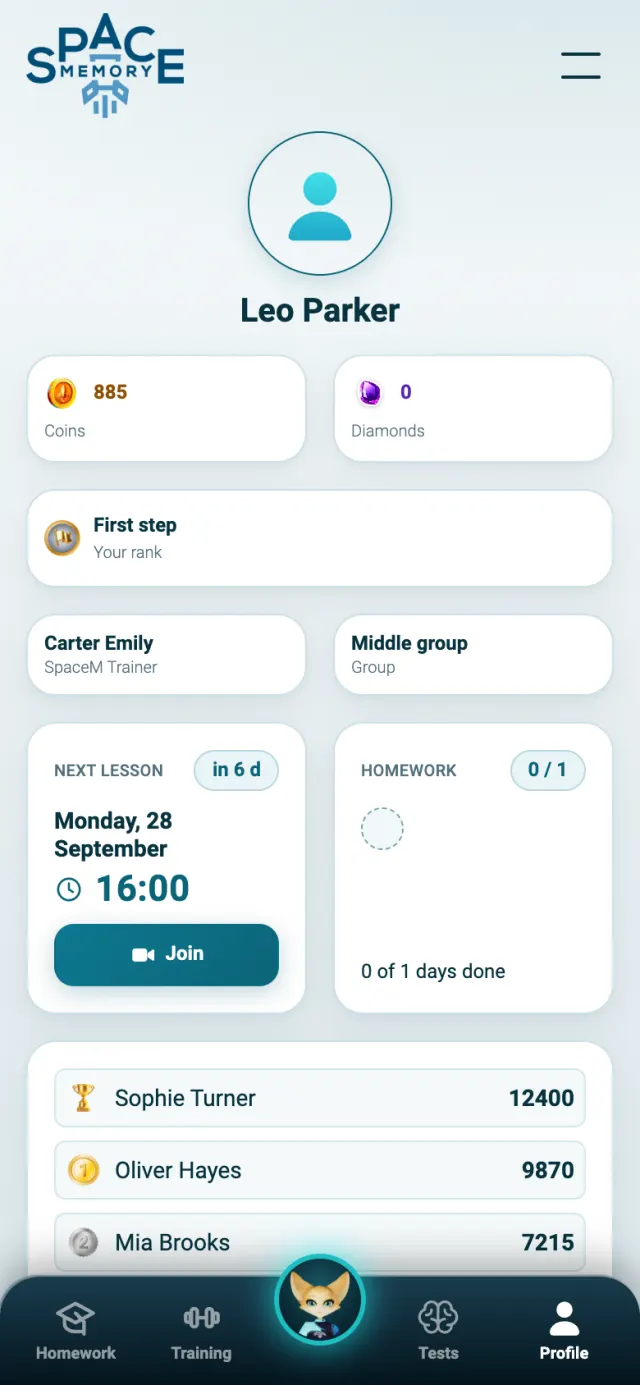
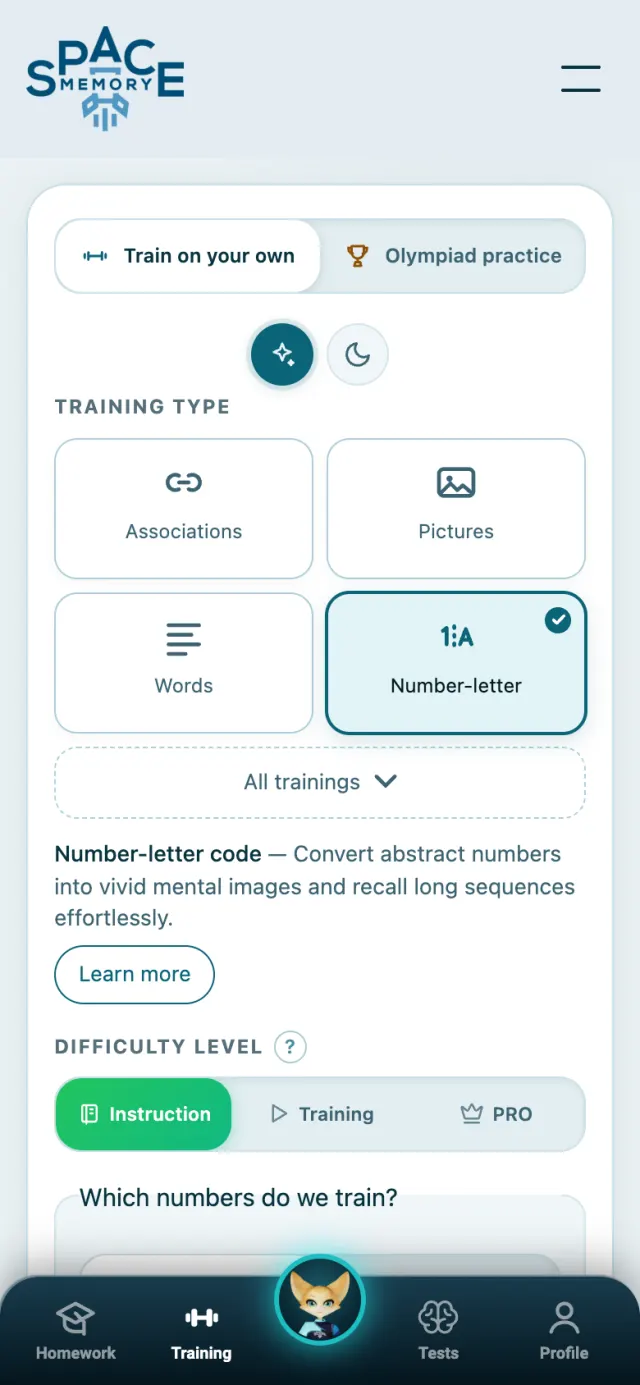
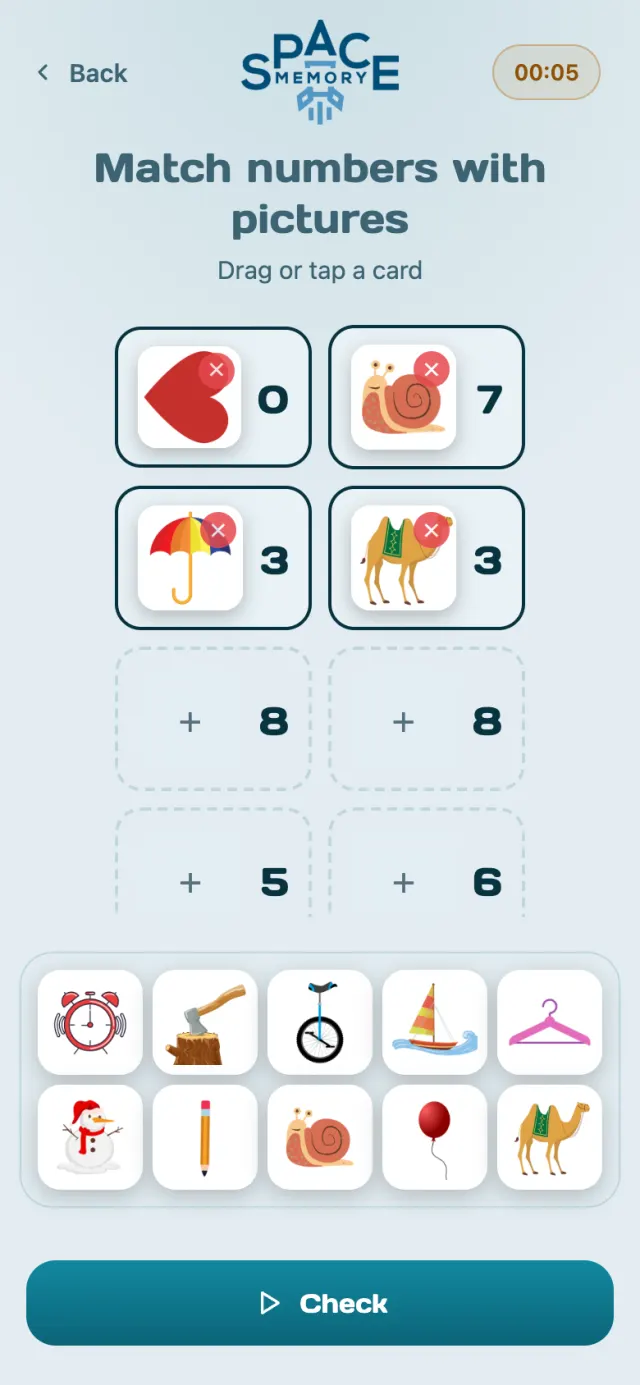
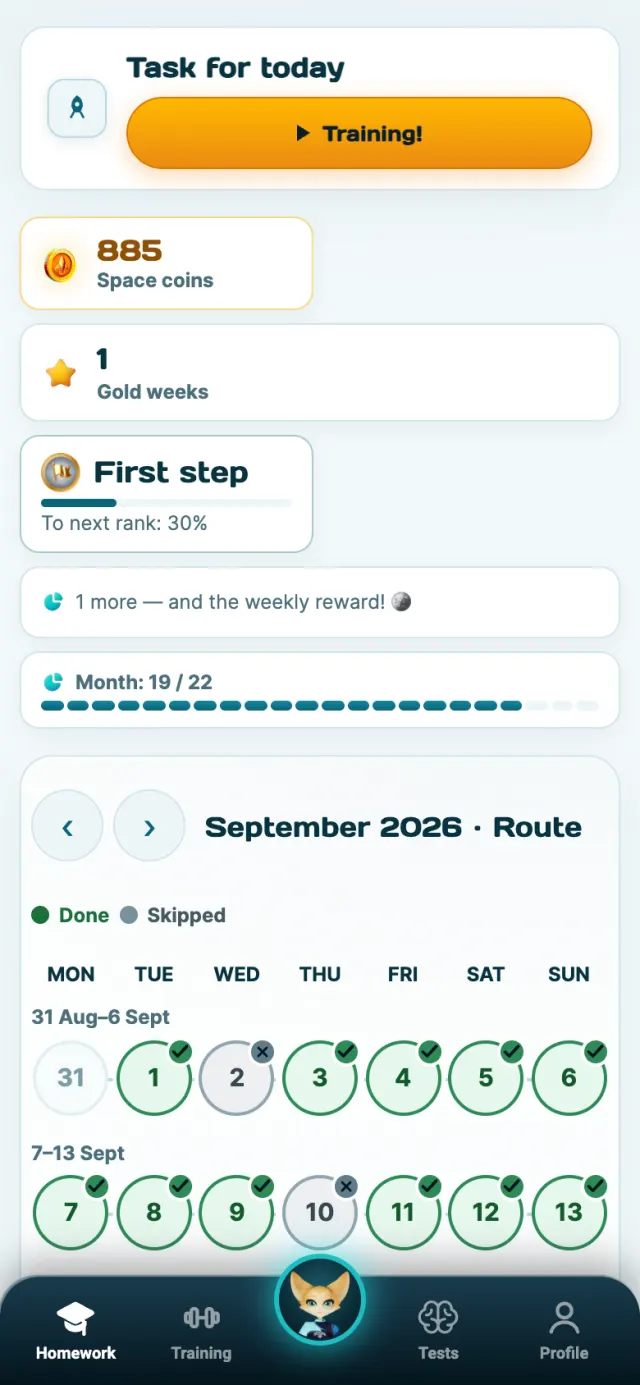
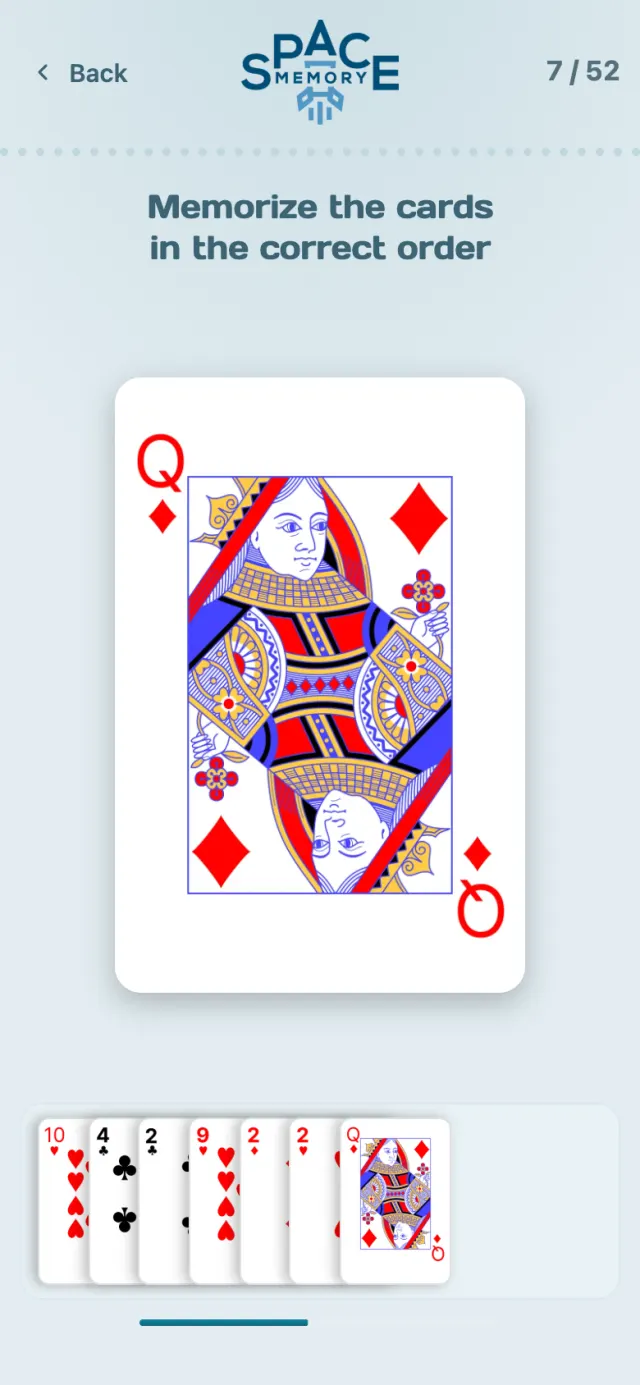
Why are online classes convenient for families in Gdańsk?
When choosing an after-school activity, parents usually ask three things. Can the child fit it around school? Will they practise at home too? Will the parent see what's happening? The online format answers all three.
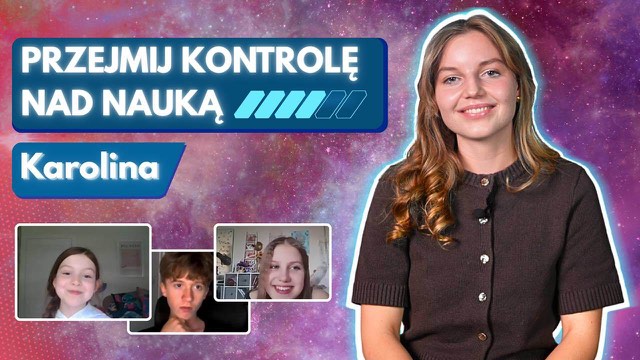
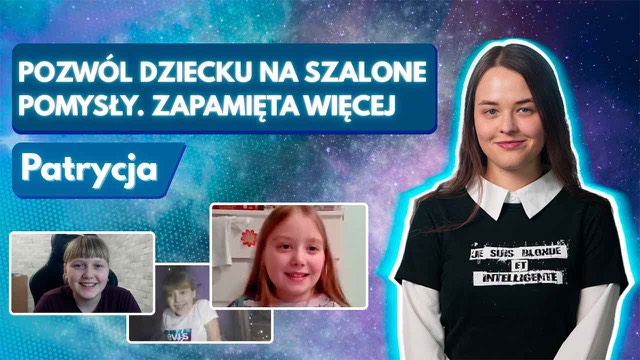
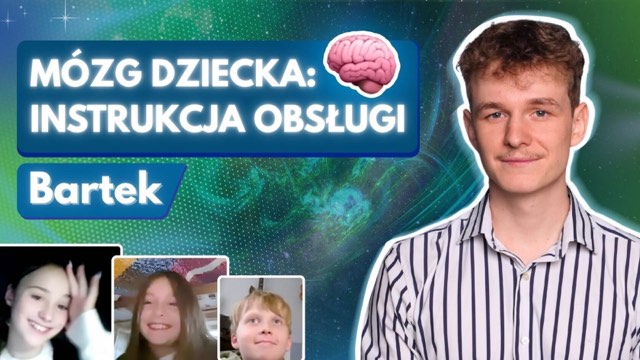
Who teaches the classes
We choose coaches at a trial lesson, not just by their CV.

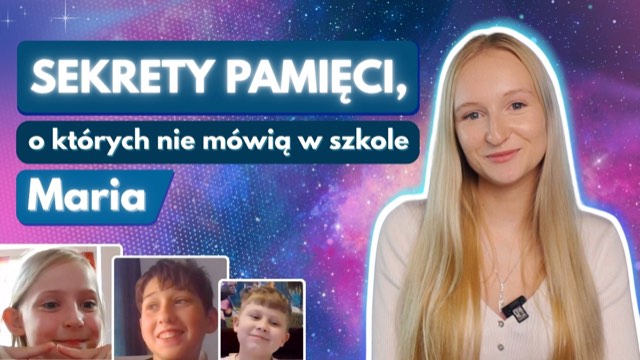
Start with the free test
Three game-style tasks: memory, attention and logic.
Take the free testabout 7 minutes · no sign-up · instant result
How to check us
Parents' questions
Can children in Gdańsk attend Space Memory classes?
Yes, though they connect rather than attend: all Space Memory classes are online. A child in Gdańsk learns from home, in a group of their age.
How are Space Memory classes different from tutoring?
Tutoring helps with one subject. We teach a way of working with material — remembering, reading and planning study — that the child carries over to every subject.
How do we get started?
Leave a request through the form on this page or start with the free test. A manager will find a group for your child's age and suggest a time.
Which direction should we choose first?
It depends on what your child finds hardest: remembering, focusing, reading or organising study. The free test helps you see this, and the four courses are compared on the developmental classes page.
Is any special equipment needed?
No. A computer or tablet with internet is enough; nothing has to be installed, and the platform exercises can be done on a phone too.
How long does the course last?
There is no set number of months. It runs month by month — four meetings a month — and a manager explains the terms once you leave a request.
What age are the classes for?
Children aged 8–18. From eight, because the techniques rely on confident reading and writing. Groups are split by age: 8–9, 10–12, 13–15 and 16–18.
Can we start with the free test?
The short version is three game-style tasks, about seven minutes, no sign-up, with an instant result. It doesn't diagnose or measure IQ — it shows what comes easier to the child and what is harder.
How much do the classes cost?
The first month is ≈ $94, then ≈ $125 a month (converted from 369 and 489 zł); the manager will confirm the exact amount.
What next
Online classes in other cities
Sign your child up for online classes
Leave your number — a manager will suggest a group for your child's age and a time. You can also start with the free test.
Thank you! We've got your request
A manager will get in touch and answer your questions. Meanwhile, your child can take a short free test — seven minutes.
Take the short test