
In short
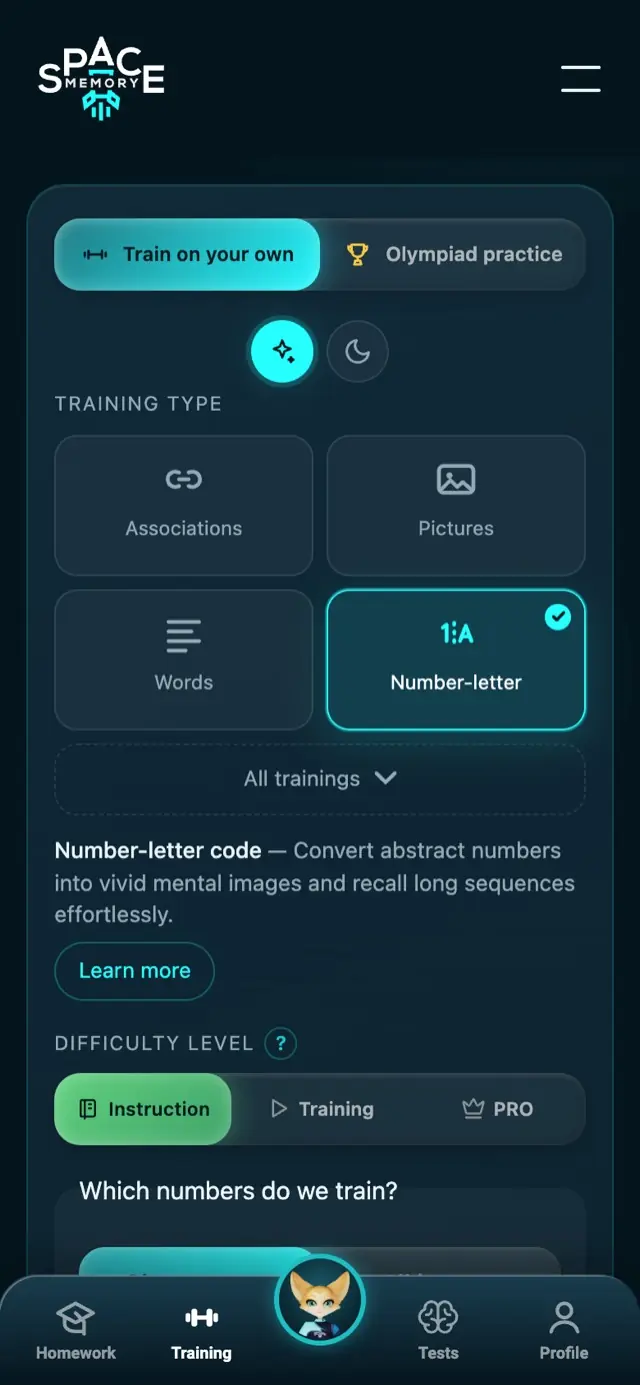
Space Memory teaches children aged 8–18 how to memorise: numbers, dates, terms, foreign words, poems and texts. Live group lessons of 5–10 children with a coach run 90 minutes once a week, with short daily practice in between on our platform, where every technique has its own trainer. All online, from any country. A free 15-minute memory and attention test comes first.
School gives the volume. Nobody teaches how to hold it
Studied in the evening, half of it gone by morning. It is not about ability — it is about method: cramming loses to images and links.
Try it yourself: 10 words in 20 seconds
Look at the words while the clock runs. Then check how many stayed with you.
Without a technique the words fade within a minute. With one they turn into images, link into a story — and stay. That is exactly what we teach.
What a child gets
We do not add one more subject. We teach how to learn — and it works across every school subject.
Memory techniques
Numbers, dates, terms, foreign vocabulary, poems and texts — a child turns them into images and links and recalls them when needed.
Speed reading
Reads faster and understands the text instead of skimming it.
Confidence and leadership
Answers in class without fear, speaks up, holds attention.
How the learning works
One lesson a week with a coach and short practice in between.
- 1Lesson with a coach90 minutes once a week, a group of 5–10 children, online.
- 2Daily practiceShort exercises on the platform — a separate trainer for each technique.
- 3Homework and a parent's viewThe month route shows every day — done or missed.
- 4What you needA computer or tablet and the internet. Nothing to install.

Why kids come back on their own
Motivation is built into the learning: homework first — then the hangar.
- 1Finished the tasksEarns space coins and the next rank.
- 2Spends coins in the hangarBuilds a rocket, picks a rover for the mission.
- 3Flies the missionThe Moon, the Artemis programme, the VIPER rover.
Kids come back not because a parent reminded them, but because a launch is waiting.

See how it looks
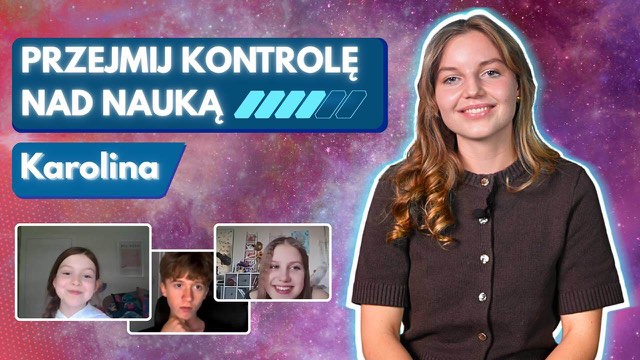
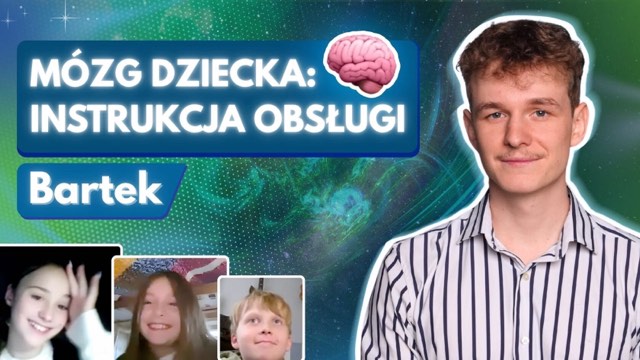
Lessons, practice and our students' stories — nothing staged.
The videos are in Polish: our school's channel in Poland. English ones are coming.
First we see how your child thinks
A free 15-minute test maps memory, attention and processing speed — and gives parents a clear picture of strengths and growth areas.
Seven tasks
Classic neuropsychological measures: Corsi, digit span, Flanker, Go/No-Go, matrices, N-back, reaction time.
A map of memory and attention
Not a table of numbers but a readable map: where the child is stronger than peers and where support is needed.
What to do next
Recommendations you can use today, plus a separate report layer for teachers.
15 minutes · no sign-up · instant result
How we back this up
Only what we can actually show.
The Indigo Mental Club team
Space Memory was built by the same team behind the Indigo mental arithmetic school.
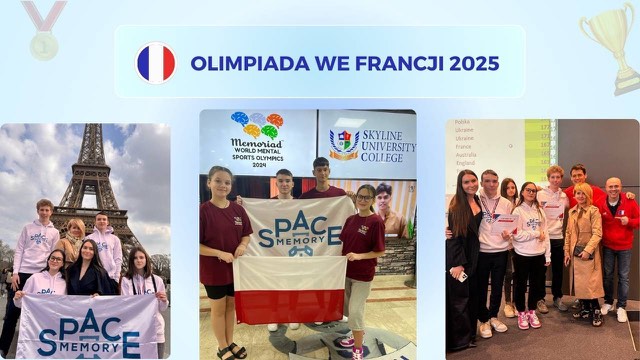
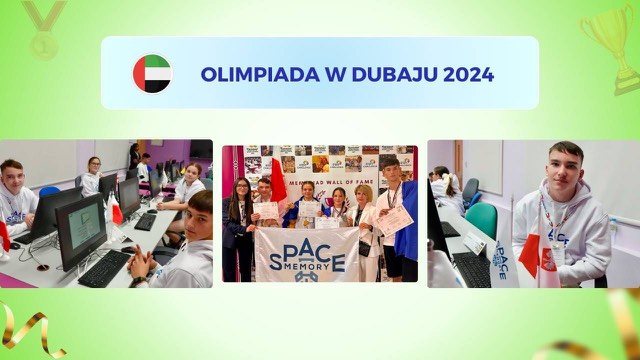
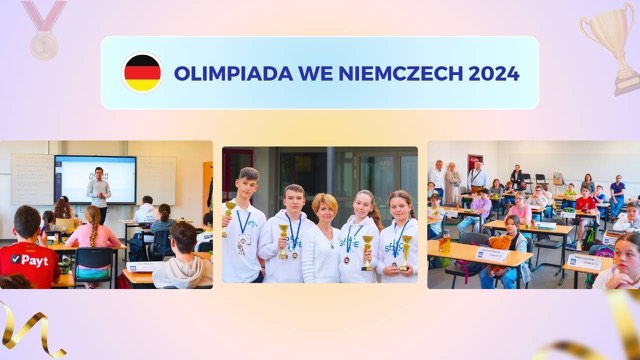
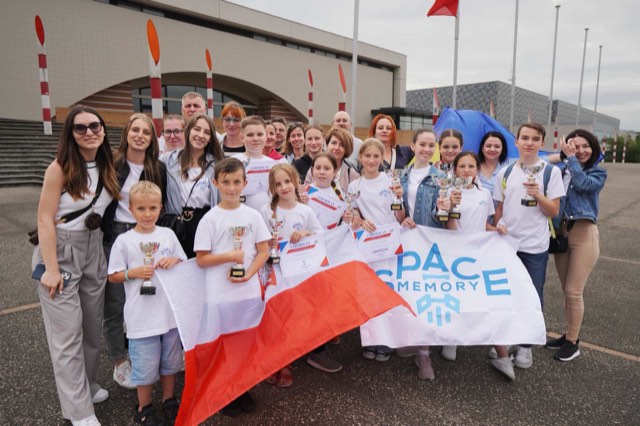
Our own olympiads
We run our own olympiads for students and prepare children for international contests.
A certificate per level
Level finished — certificate earned; parents follow the progress on the platform.
What parents say
Real families from Space Memory — with a name, a city and the child's age.
Who teaches
Space Memory was founded by Karolina and Natalia Lubenets together with Oleksii Lubenets and Artsiom Hrableuski. Coaches are selected strictly: one candidate in eight makes it.

Room to grow
Our own olympiads, international contests and a community where a child sees what the practice is for.
What it costs
A manager will explain the terms for your country.
- 4 lessons of 90 minutes a month
- Platform access and daily practice
- Homework with a parent's view
- One missed lesson a month can be made up
- A certificate per level
How to start
- 1Leave a requestA short form: name and phone.
- 2A manager callsAnswers your questions and explains the terms.
- 3First lessonYour child joins a group.
Questions and answers
Who is it for?
Children aged 8–18. We start at eight, because the techniques rely on confident reading and writing.
How is this different from mental arithmetic?
Mental arithmetic trains counting in your head. We teach memory techniques and speed reading: a child memorises words, dates, poems and texts, and reads faster with understanding. Two different skills — one does not replace the other.
Will it help with a poem or the multiplication table?
Yes, those are ordinary tasks in class: poems, multiplication tables, foreign words, dates and terms. A child turns them into images and links instead of cramming.
How long does the course take?
The course is split into levels, and a child receives a certificate after each one. A manager will explain how long a level takes and on what terms.
What does it cost?
It depends on your country and the group. A manager gives the exact terms: we do not publish a figure we cannot confirm for your country.
What language are the lessons in?
It depends on the group — a manager will find the right one.
What equipment is needed?
A computer or tablet and the internet. Nothing to install.
What if a child misses a lesson?
A missed lesson can be made up — a manager will explain the terms.
Can we study from another country?
Yes, every lesson is online — from any city or country, all you need is the internet.
Is there a trial lesson?
Ask a manager — they will share the current terms.
How does payment work?
A manager will explain the terms for your country.
Request a call
Two fields — a manager will call and answer your questions.