Space MemorySpace MemoryBetter memory, more self-confidence

Online memory school

Online memory and speed-reading school for children aged 8⁠–⁠18

We teach how to learn without cramming — on real school material: vocabulary, dates, poems and texts.

  • Lessons with a coach at a fixed time
  • Coach and group online — from any city
  • About 10 minutes of practice a day at home
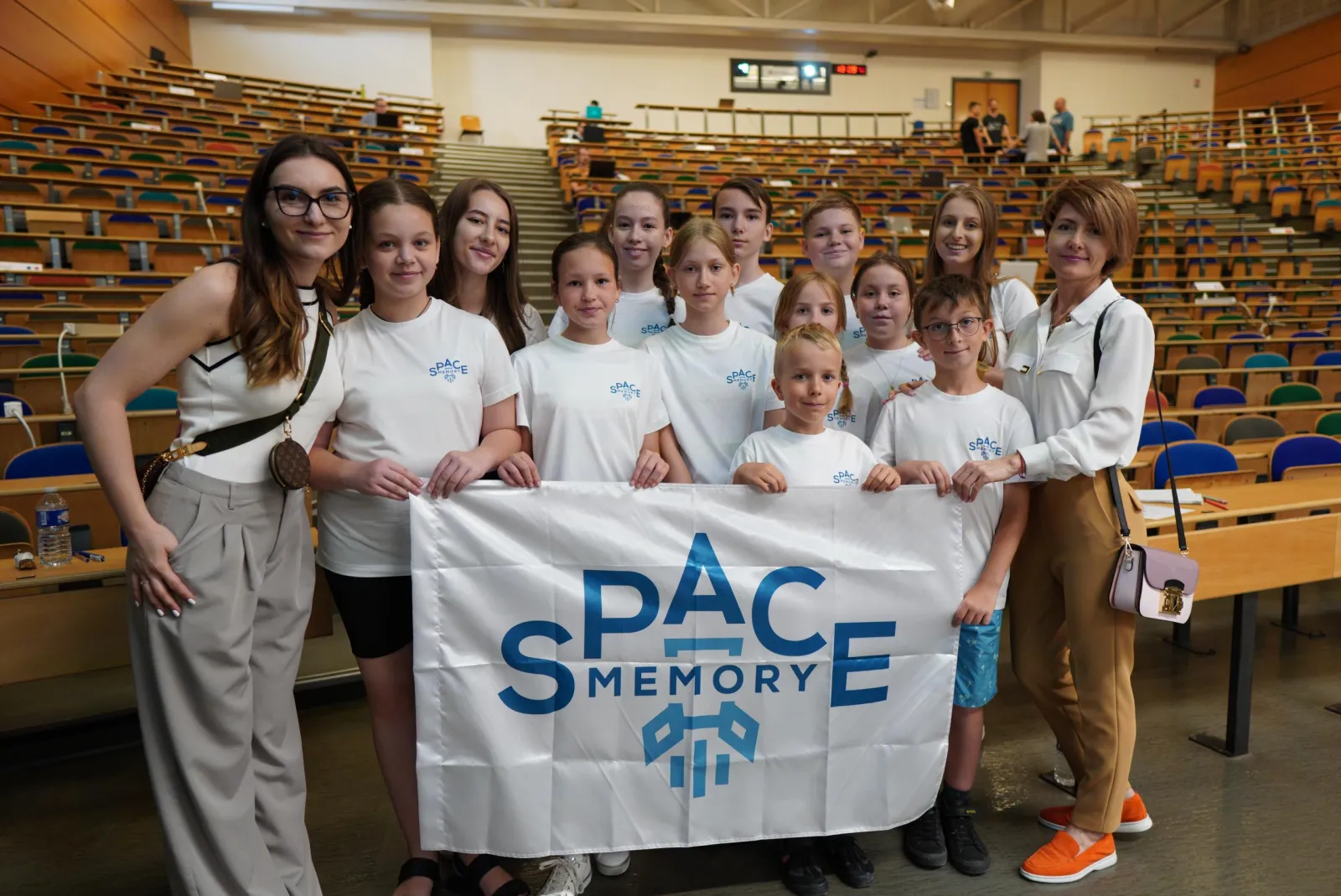
Space Memory students in school T-shirts holding the Space Memory flag with their mentors in a lecture hall
  • Ages 8⁠–⁠18
  • Groups of 5⁠–⁠10
  • 90 min a week
  • Our own platform
  • Space Memory olympiads

In short

Space Memory teaches children aged 8–18 how to memorise: numbers, dates, terms, foreign words, poems and texts. Group lessons of 5–10 children with a coach run 90 minutes once a week, with short daily practice in between on our platform, where every technique has its own trainer. All online, from any country. You can start with a free 4-minute memory and reasoning test.

More about Space MemoryTap to expand

Video

Space Memory in practice

Lessons, practice and our students' stories — nothing staged.

The videos are in Polish — from our school's channel in Poland.

For parents

Studies for hours and remembers little the next day?

The problem is often not effort but the way information is handled. Reading and repeating alone is not always enough.

Learns vocabulary and forgets it fast

The list was copied three times, and the quiz sheet stayed blank.

Reads the chapter several times

And still can't say what it was about.

Struggles to stay on task

Twenty minutes on one exercise, with breaks for everything.

Knows the material but freezes when answering

Explains it at home, goes quiet when called on.

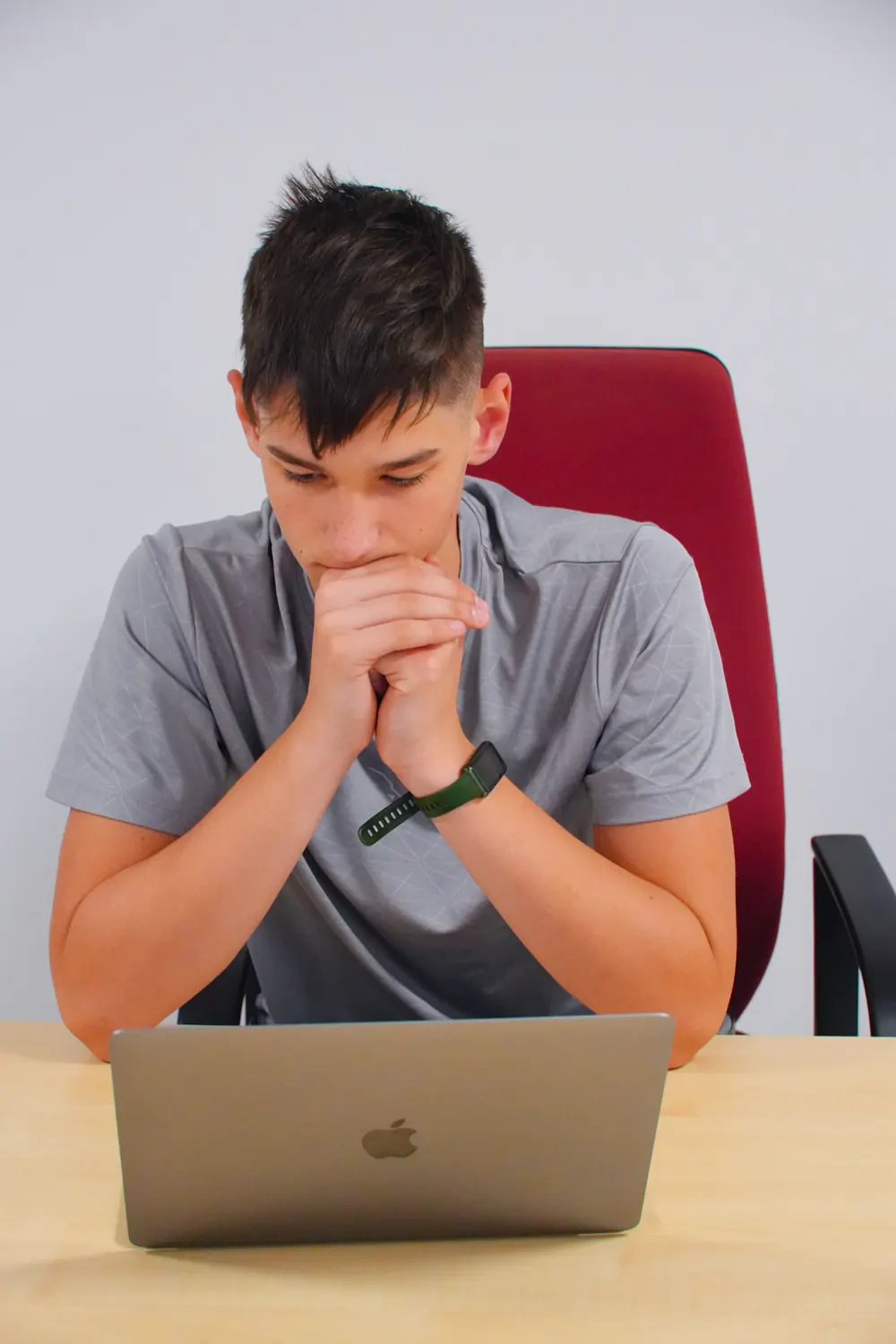
Boy concentrating on a task at a laptop
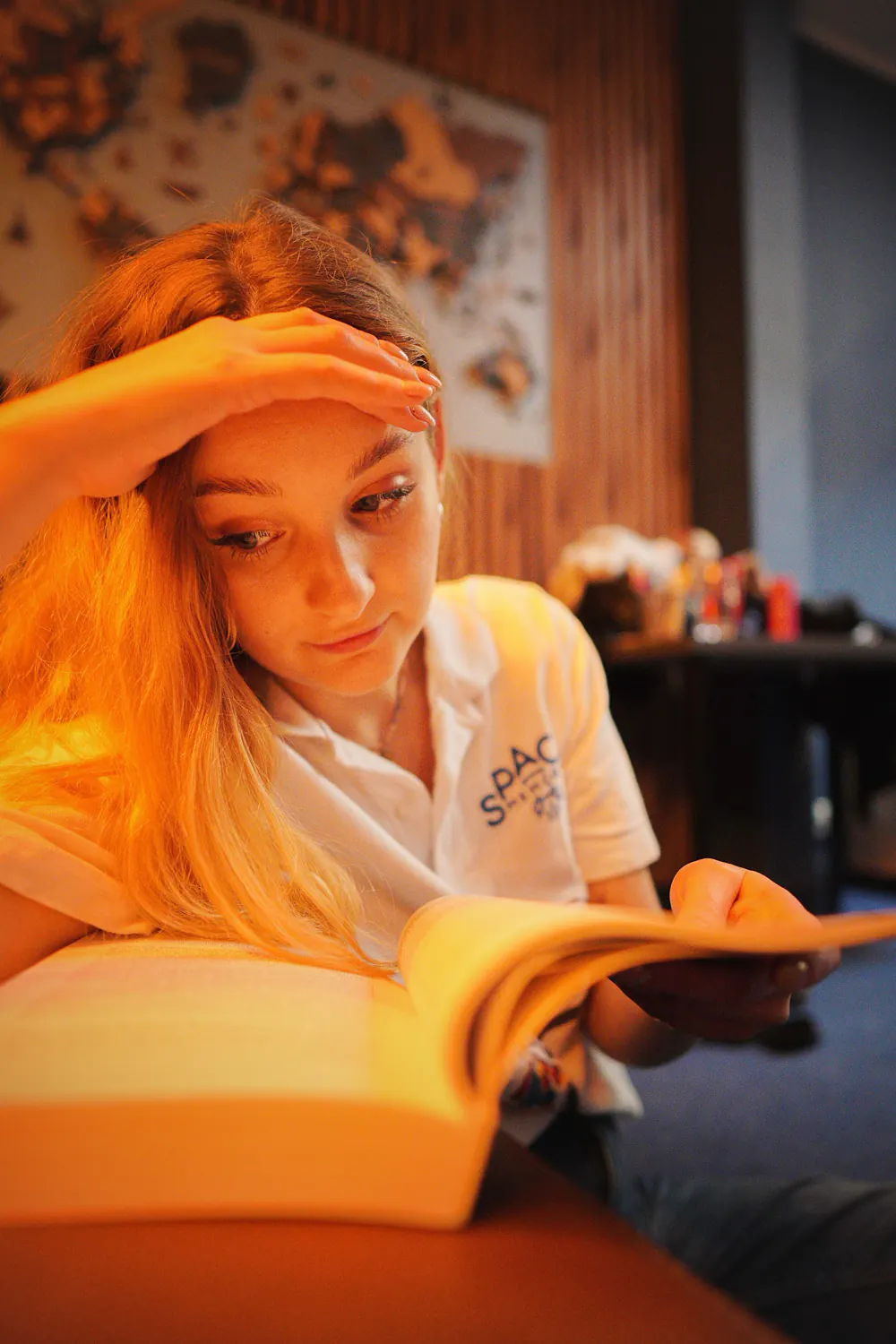
Student in a Space Memory T-shirt reading a book

More than better grades

School says what to learn. We show how

Every technique serves an ordinary school task: we teach a method your child carries into every subject.

Vocabulary

Associations instead of endless repetition: every word becomes an image.

Dates and numbers

Images and a number code bring order to digits that otherwise get mixed up.

Poems

A chain of associations helps recall the next lines — verse by verse.

Multiplication tables

Easy columns the child learns by rule; hard examples become an image and a short scene.

Texts

Text techniques help find and organise the key information faster.

Oral answers

A plan in a memory palace helps organise what the child wants to say.

Try it yourself

Try it yourself: 10 words in 20 seconds

Look at the words while the timer runs. Then check how many stayed in your head.

Memory techniques are not about cramming harder. They teach you to build images, associations and structures that are easier to recall later. That is exactly what we teach in class.
Want to see how your child does? Take the free test →

How it works

How the learning works

One meeting with a coach a week, short practice in between — and progress you can see.

  1. 1Lessons with a coach90 minutes once a week, online, in a group of 5⁠–⁠10 children.
  2. 2Practice on the platformShort exercises between lessons — a separate one for every technique.
  3. 3ProgressParents see activity and completed tasks on the monthly route.
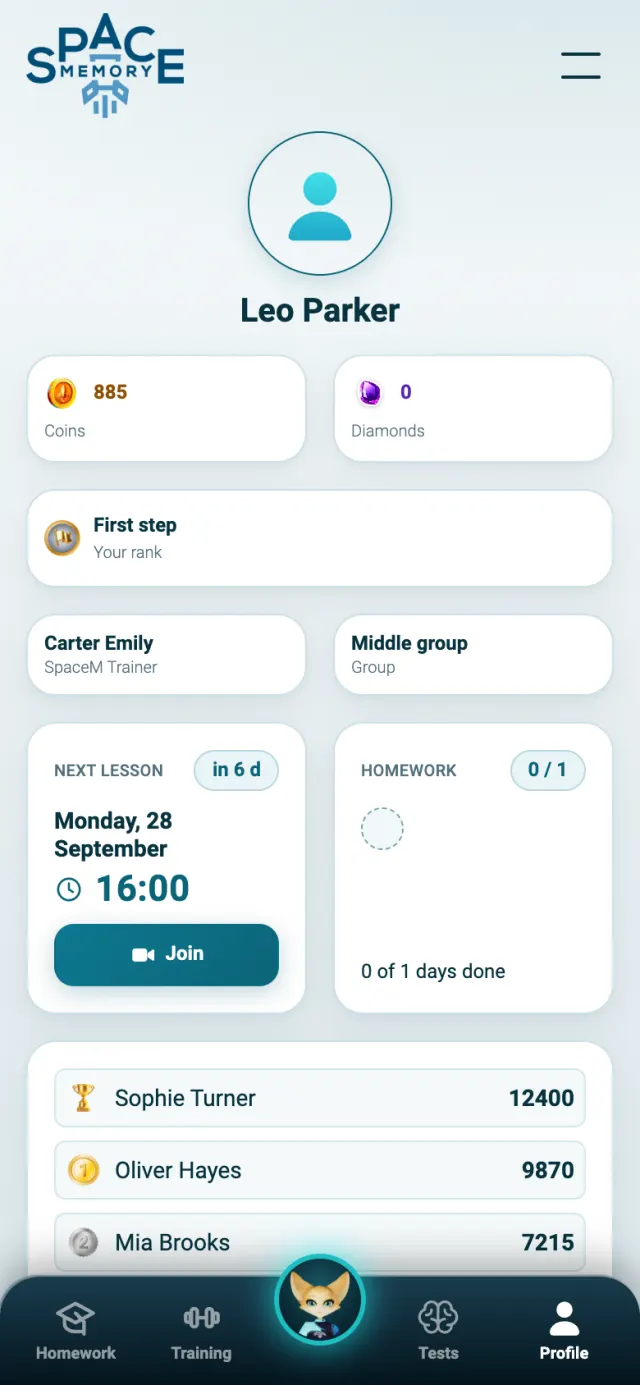
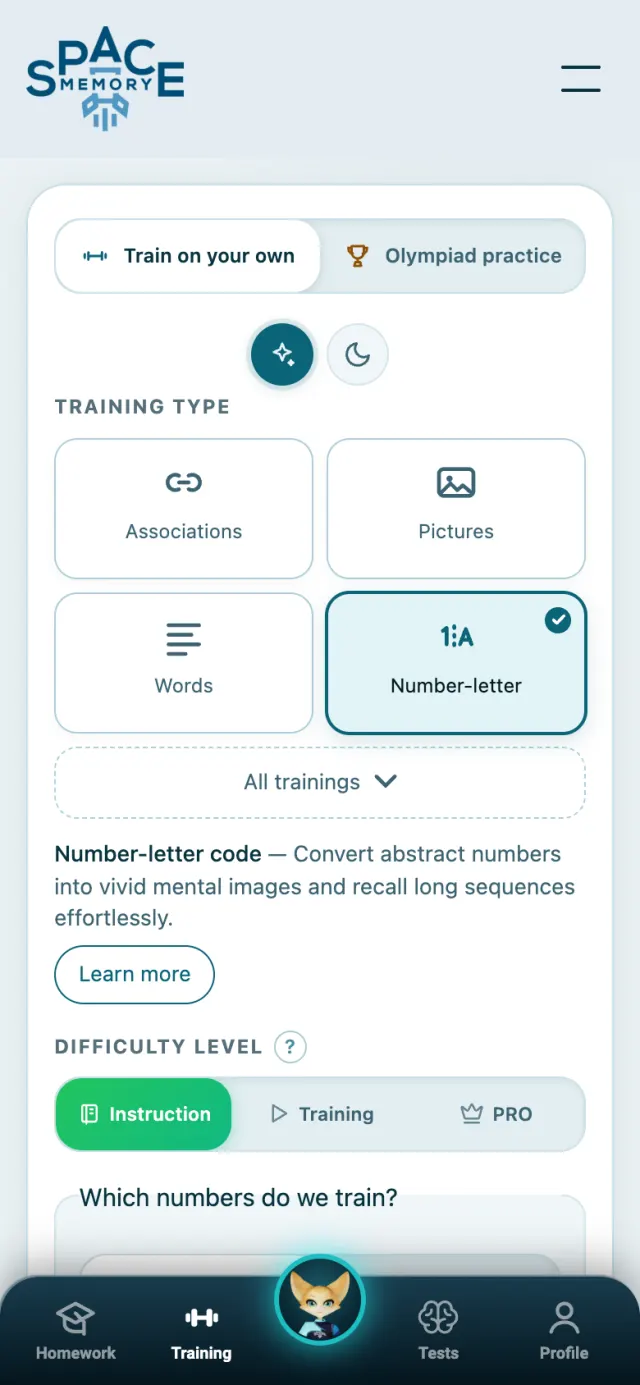
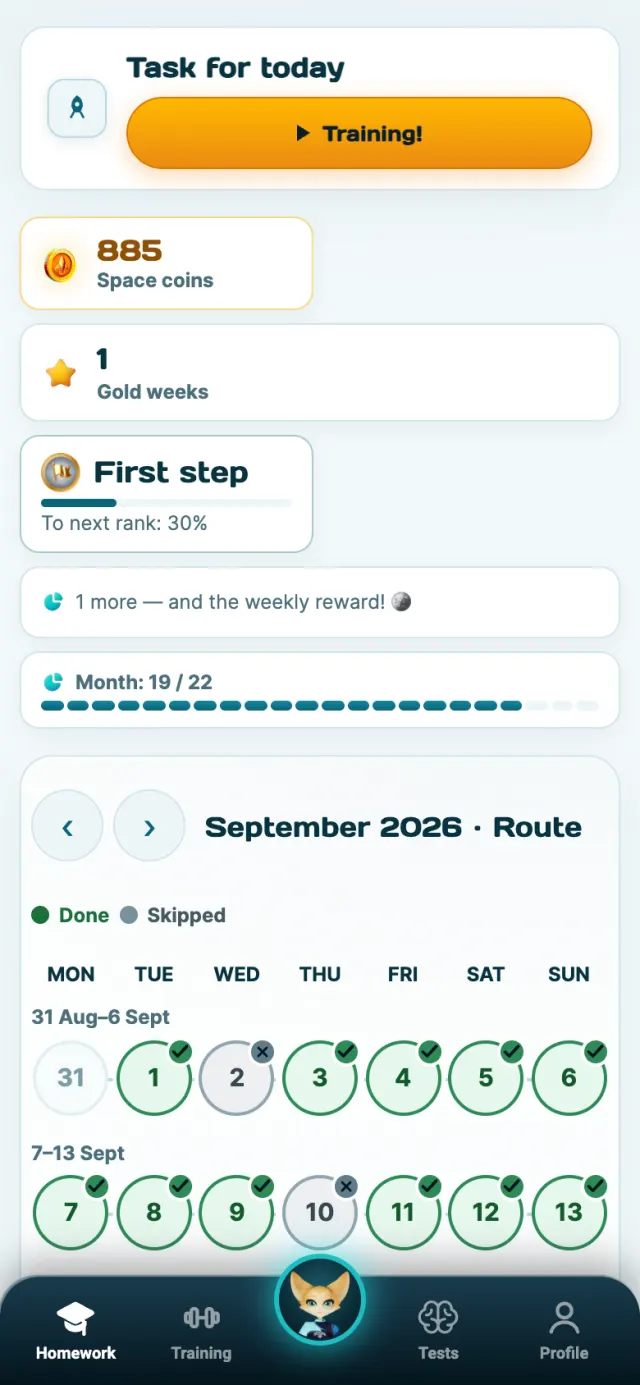
Account home: next lesson and tasks
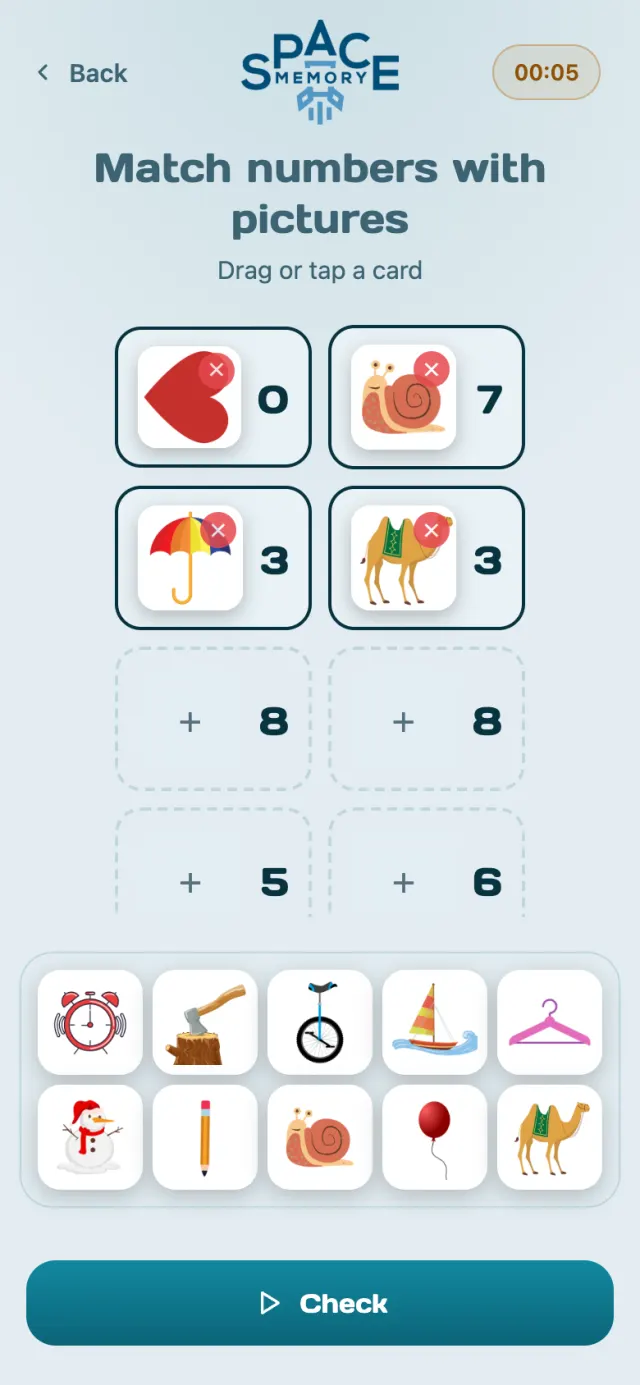
Technique trainers on the platform

Technique trainers on the platform

More about Space MemoryTap to expand

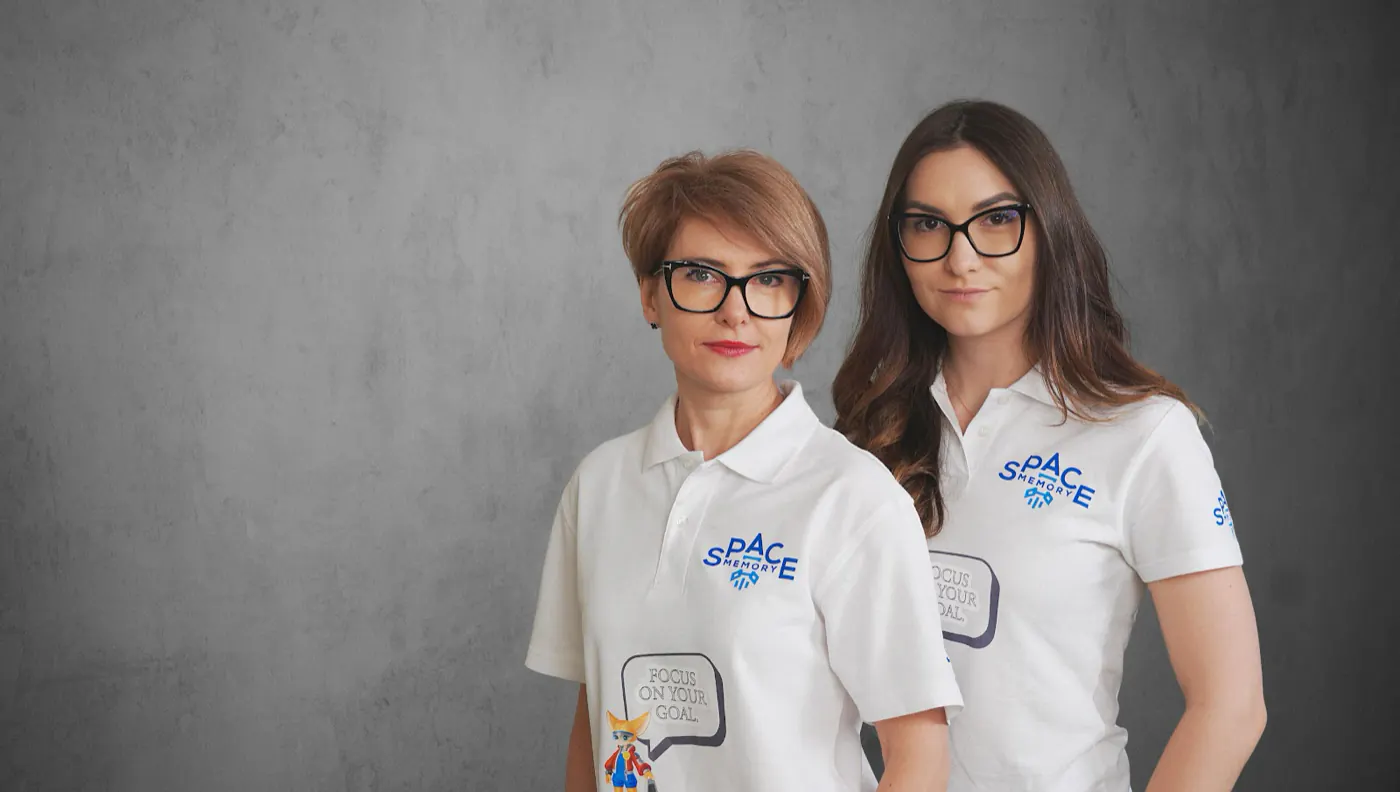
Natalia and Karolina Lubenets, founders of Space Memory

Our coaches

Meet the Space Memory coaches

Space Memory was founded by Natalia and Karolina Lubenets, who also created the Indigo Mental Club Polska network of mental arithmetic schools. We choose coaches ourselves: every candidate teaches a lesson with us, because a CV is not enough. We prepare them to teach the Space Memory method.

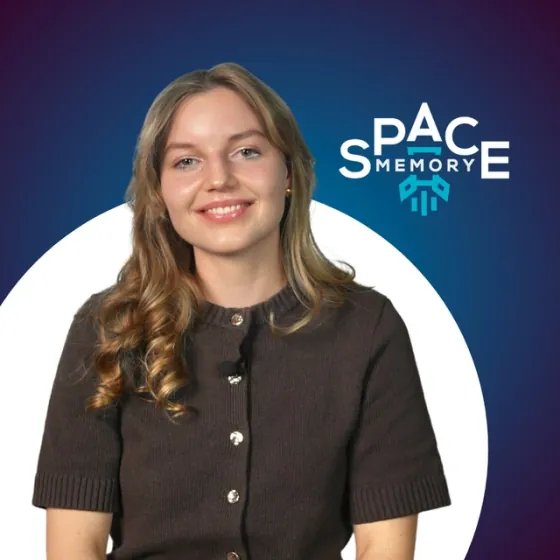
  • Karolina — Space Memory coachKarolinaSpace Memory coach
  • Patrycja — Space Memory coachPatrycjaSpace Memory coach
  • Bartek — Space Memory coachBartekSpace Memory coach
  • Julia — Space Memory coachJuliaSpace Memory coach
  • Maria — Space Memory coachMariaSpace Memory coach

Price

What does Space Memory cost?

A free demo lesson on request, then a discounted first month.

First month

≈ $94≈ $125for the first month, then ≈ $125 a month

  • 4 lessons of 90 minutes a month
  • A small group of 5⁠–⁠10
  • Platform access and practice between lessons
  • Homework with a parent's view
  • One missed lesson a month can be made up
Request a call

Prices are approximate, at the current rate; you can cancel effective at the end of the calendar month — in writing or by email.

Three steps

How to start

  1. Leave a requestA short form: name and phone.
  2. A manager callsAnswers your questions and explains the terms.
  3. First lessonYour child joins a group.

Sign your child up for classes

Leave your name and phone number — a manager will call back, pick a convenient time and answer your questions.

More about Space MemoryTap to expand

Learning platform

See the Space Memory platform

Lessons with a coach are only part of the programme. Between meetings the child practises on the platform.

Account home
Account homeNext lesson, tasks and coins — the child sees right away what to do.
Tasks for today
Tasks for todayHomework and the weekly reward for regularity.
Technique trainers
Technique trainersEvery technique has its own practice: numbers, dates, words, images.
“Associations” trainer
“Associations” trainerEvery digit becomes an image — the same as in class.
“Cards” trainer
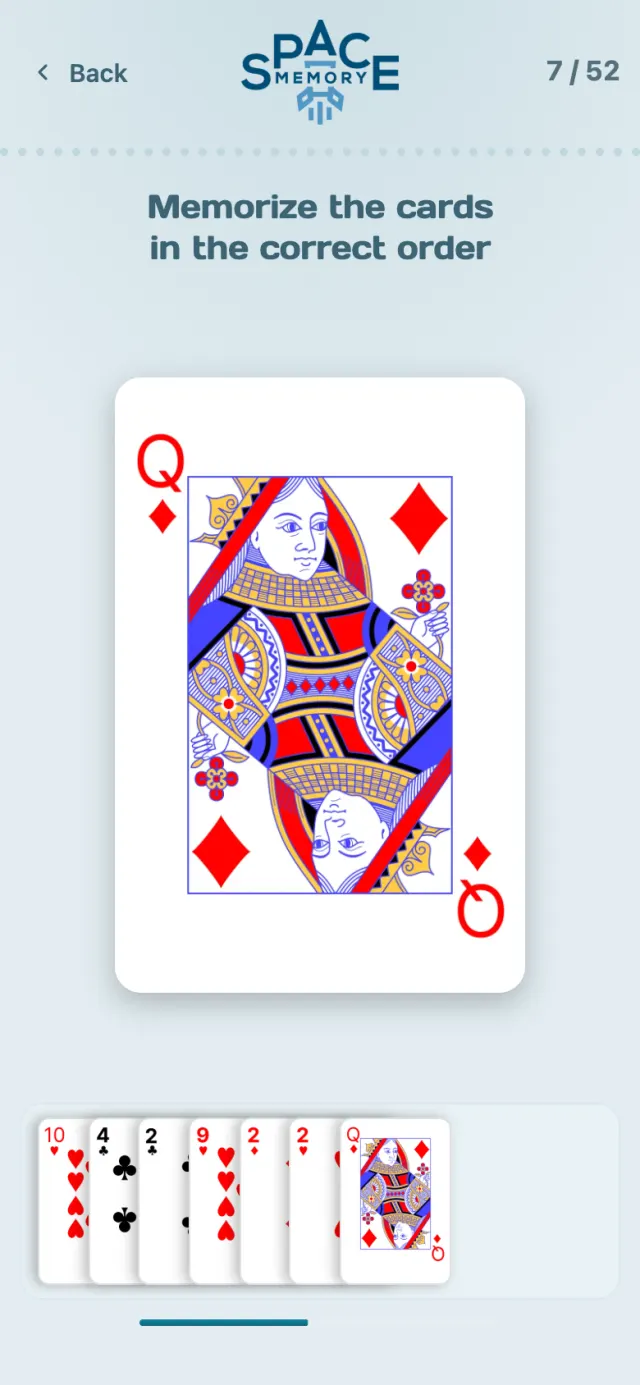
“Cards” trainerMemorise a deck in order — attention and memory practice.
My Space
My SpaceOwn character, room and a shop for coins.
Hangar
HangarOpens after the tasks are done.

On the platform

What else is on the platform

Between classes, children practise on Space Memory's own platform. Besides the coach's tasks, there are trainers, games and tests.

12 memory trainers

Memory palace, remembering words, pictures and dates, names and faces, the alphanumeric and binary codes, cards, brain warm-ups and counting. Each trainer practises one technique from class.

Game zone

Mini-games for reaction, attention and logic: Minesweeper, Find the pair, Space blocks 3D, Hidden objects, Stop or click! and Word race. Every game has a leaderboard.

Cognitive tests

The short test is two games on working memory and logic, about 4 minutes. The full version also checks attention and reaction time. The result shows where to start.

My Space — your own character, outfits and a shop for coinsThe hangar — rockets built from modules bought with coinsThe Solar System — a card for every planetThe VIPER mission — a rover drives across the Moon
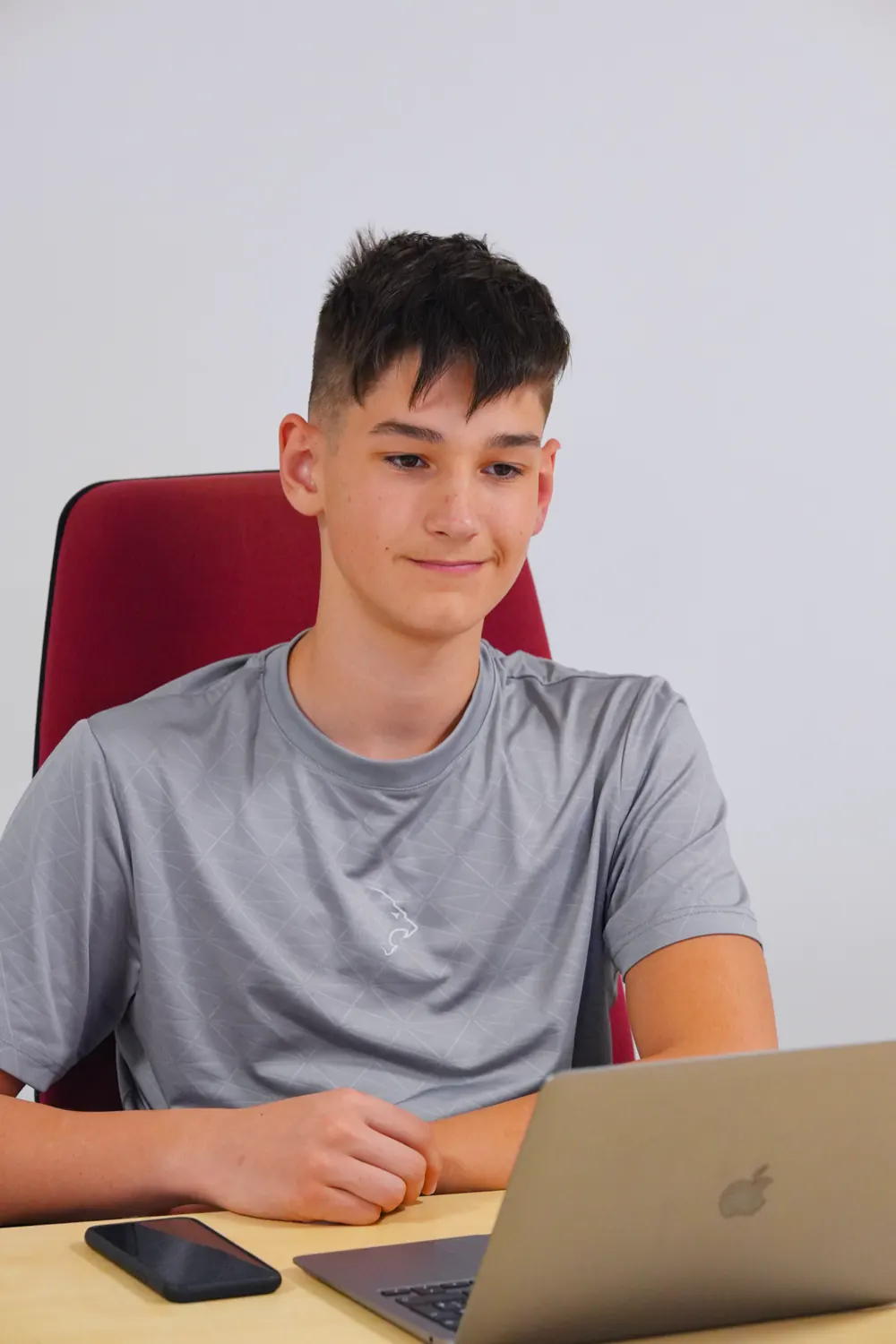
Smiling student at a laptop

Motivation

Practice they want to come back to

Motivation is built into the learning: tasks first — then the hangar and the mission.

  1. Task
  2. Coins
  3. Rank
  4. Hangar
  5. Mission
  • Finished the tasksEarns space coins; rank grows with memorising speed.
  • Spends coins in the hangarBuilds a rocket, picks a rover for the mission.
  • Flies the missionThe Moon, the Artemis programme, the VIPER rover.

The reward system helps build regularity and encourages the next practice session. How the game works →

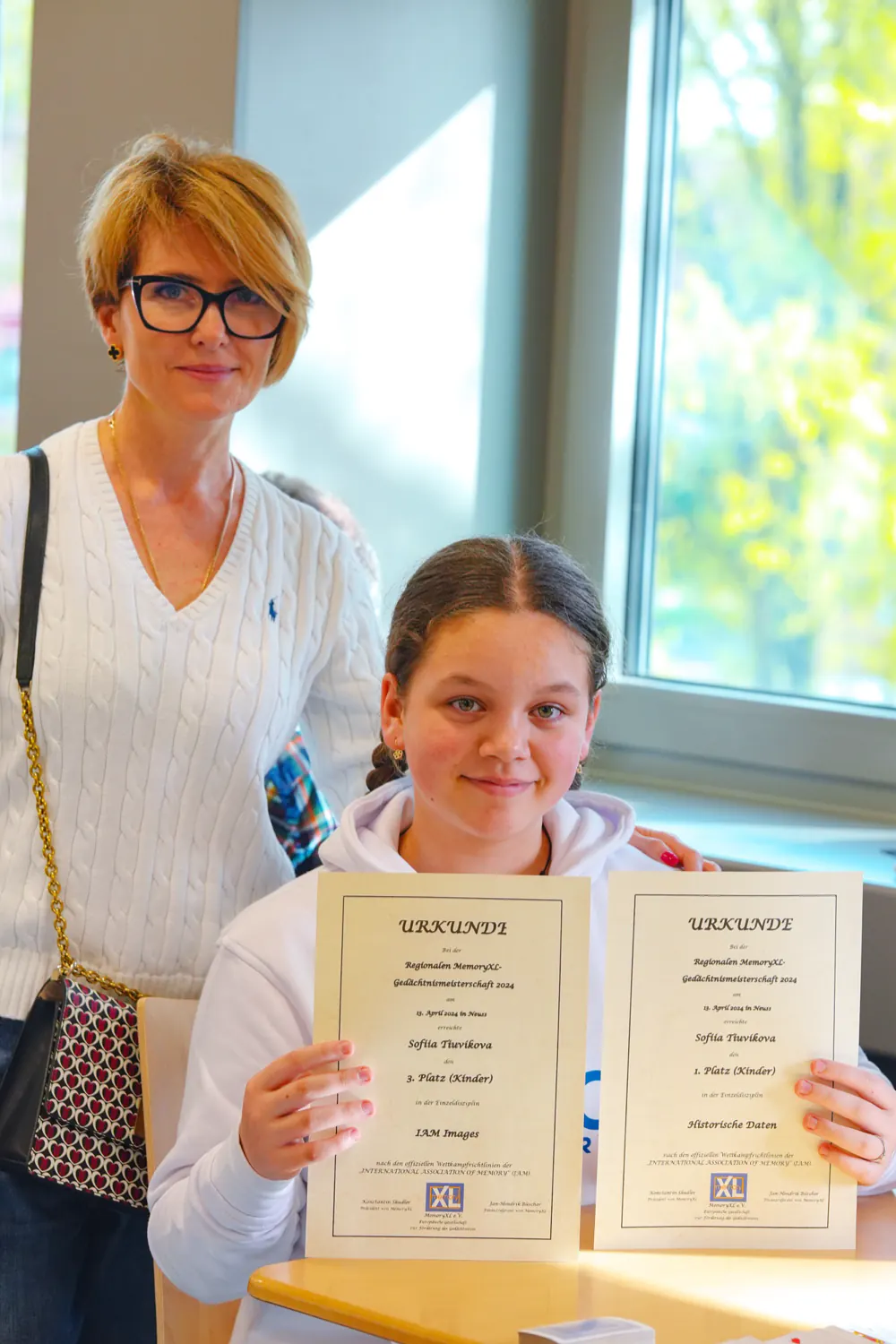
Mother and daughter in a Space Memory hoodie showing memory competition diplomas
The monthly route in the student's account

Parent view

You see the progress too

Space Memory is more than online meetings. The child's account shows what was done — and what was skipped.

Completed tasks

Every exercise the child completes is visible on the monthly route.

Practice regularity

Days with and without practice on one screen — no need to ask “did you practise?”.

Progress on the platform

Coins, ranks and the weekly reward show how the work is going.

The monthly route in the student's account

Free

Not sure where to start? Start with the test

2 short games show how your child handles working memory and logic. Instant result, no sign-up.

Short test — free

Two games, about four minutes, instant result. No sign-up.

What the result shows

What comes easier to the child and what is harder — and which course to start with.

The coach sees the results

Once the child starts at Space Memory, the coach sees the results of tests taken in the student account — easier to understand both the child and the group.

about 4 minutes · no sign-up · instant result

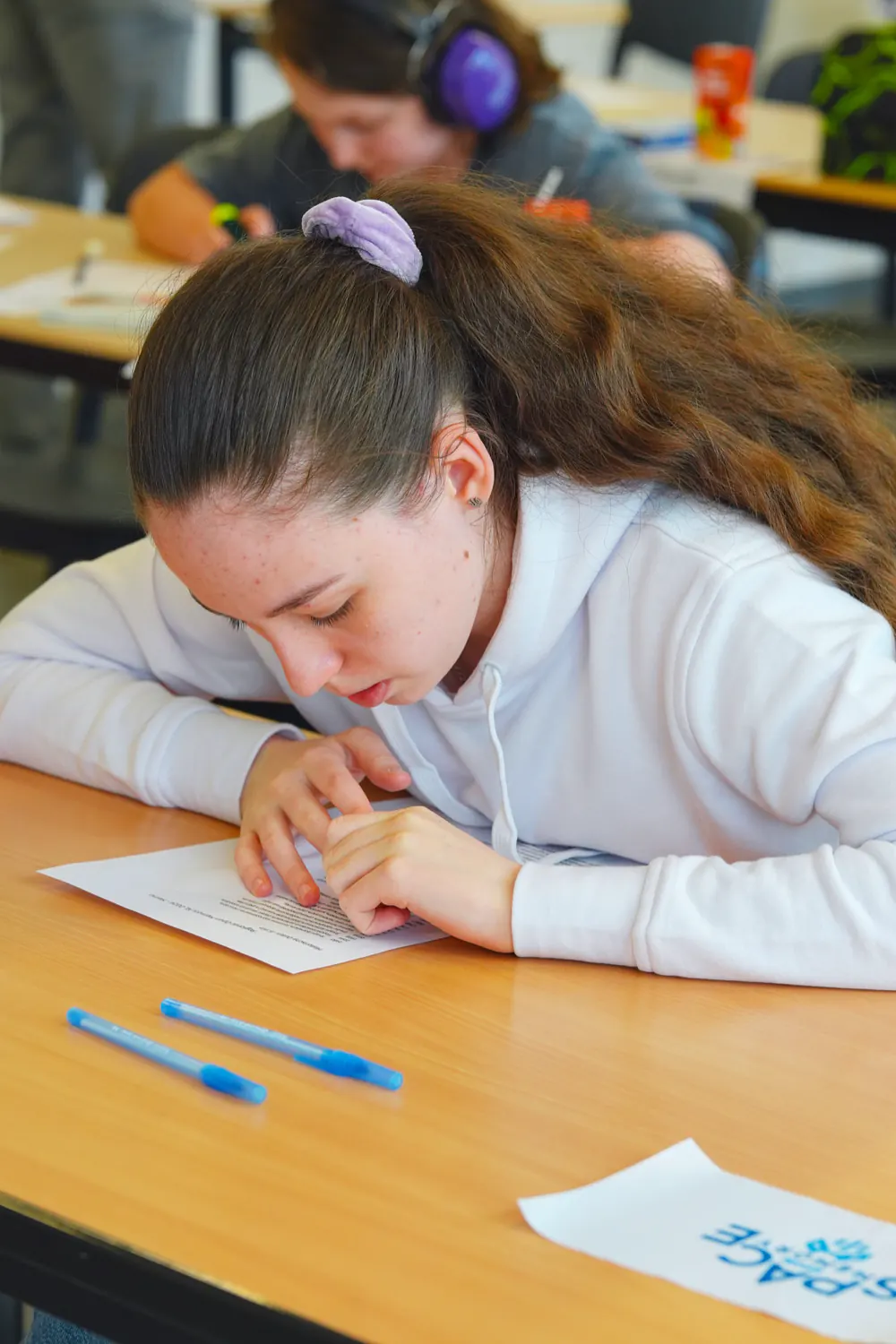
Student in a Space Memory hoodie solving a task on paper

Trust

Space Memory in numbers

Figures from school estimates, olympiad protocols and the Google listing. Each one says where it comes from.

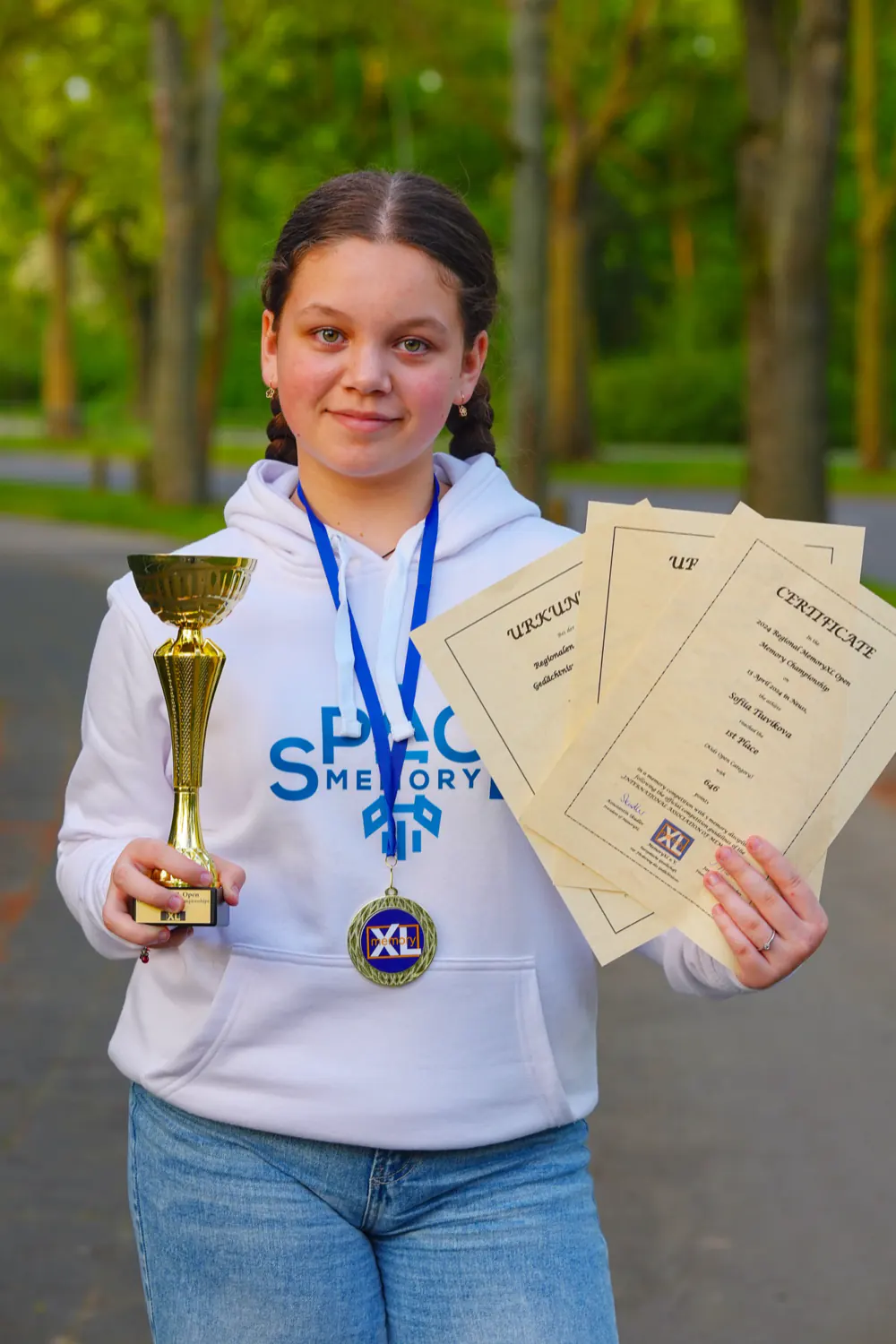
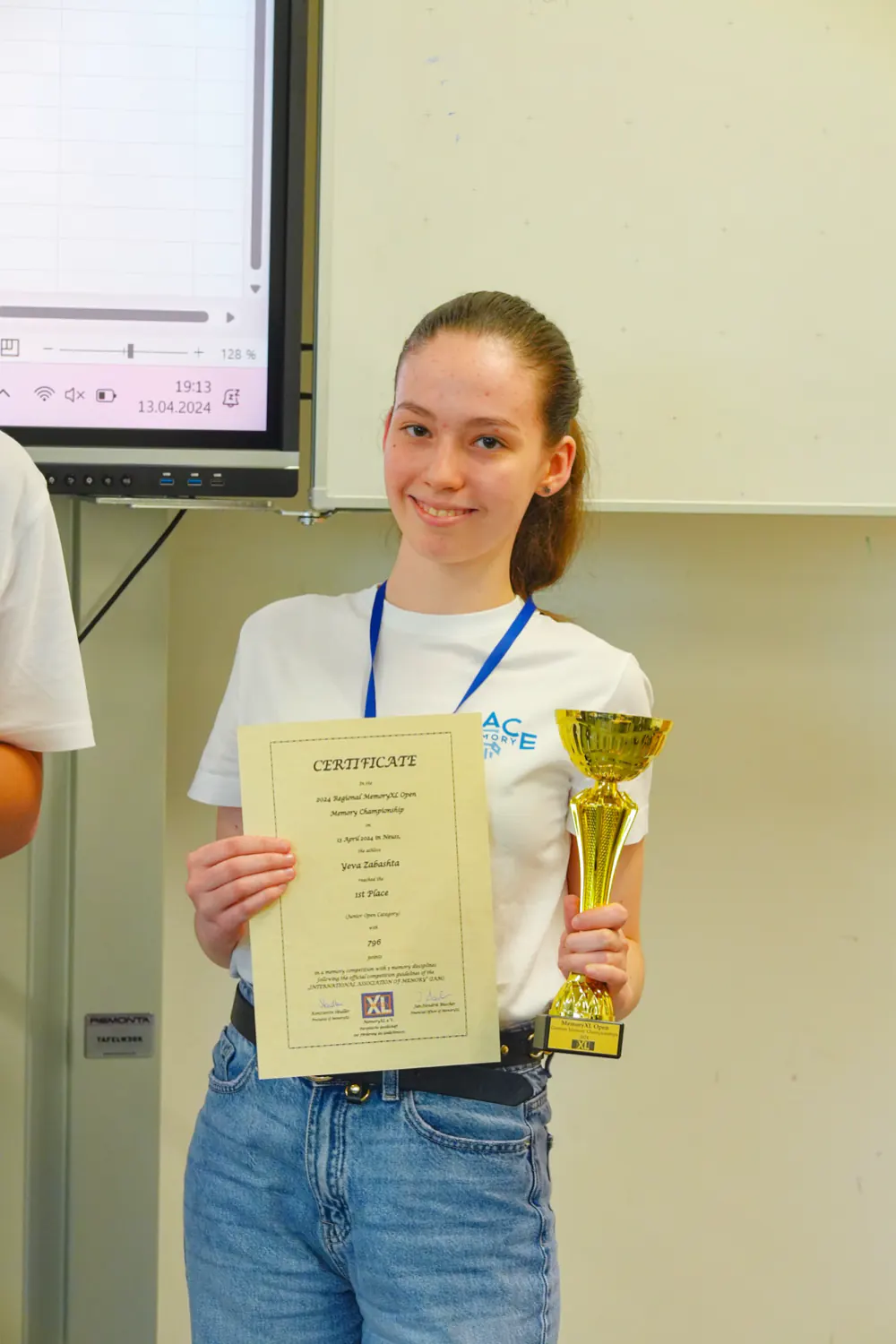
Space Memory student with a cup, a medal and diplomas from a memory olympiad

2022

A school since 2022

Space Memory has been running since 2022: online lessons in memory, attention, speed reading and effective study for children and teenagers aged 8–18. The school is run by GLOBAL LEADERS SKILLS Sp. z o.o., based in Warsaw.

24,000

About 24,000 online lessons

That's how many group lessons with a coach we have taught since the school started — the school's estimate, not counting platform practice.

36,000 h

About 36,000 hours with a coach

24,000 lessons of 90 minutes each come to roughly 36,000 hours of coaches working with online groups.

400,000+

Exercises on the platform

That's how many memory, attention and reading exercises children have completed on the Space Memory platform since 2022 — by the school's estimate.

4.9 / 5

Google rating

49 parent reviews on Google, 4.9 out of 5 on average (as of 27.09.2026).

5⁠–⁠10

Small groups, 90 minutes

One 90-minute lesson a week in a group of 5–10 children aged 8–18, with about 10 minutes of practice a day in between.

2

Olympiads in 2026

The 1st nationwide Space Memory Olympiad in Poland in April and its 2nd edition in November 2026 — both online, on our platform. An in-person olympiad in Warsaw has been announced.

200 digits

In 5 minutes at the olympiad

The best participants of the 1st Space Memory Olympiad memorised up to 200 digits, 250 pictures and 100 words in 5 minutes.

3 medals

France, 2023

Our first international competition: the French Open Memory Championship 2023. The team came home with two gold medals and one silver, and the best result in words was 72 words in 5 minutes.

Record

Book of Records of Ukraine

In 2024 a 12-year-old Space Memory student memorised 200 numbers in 5 minutes — the record entry names the school and coach Natalia Lubenets. Space Memory in the media

2 countries

Poland and Ukraine

We teach in Polish for children in Poland and in Ukrainian for children in Ukraine — each with its own coaches and a separate contact for parents.

13

Research papers

The techniques we teach rest on 13 research studies — each one described with a link to the source. Research

Olympiads

From practice to a real challenge

Space Memory students take part in our olympiads and travel to international contests — together with the Indigo Mental Club team, which shares our founders and experience.

Student with a cup, a medal and diplomas, Germany 2024
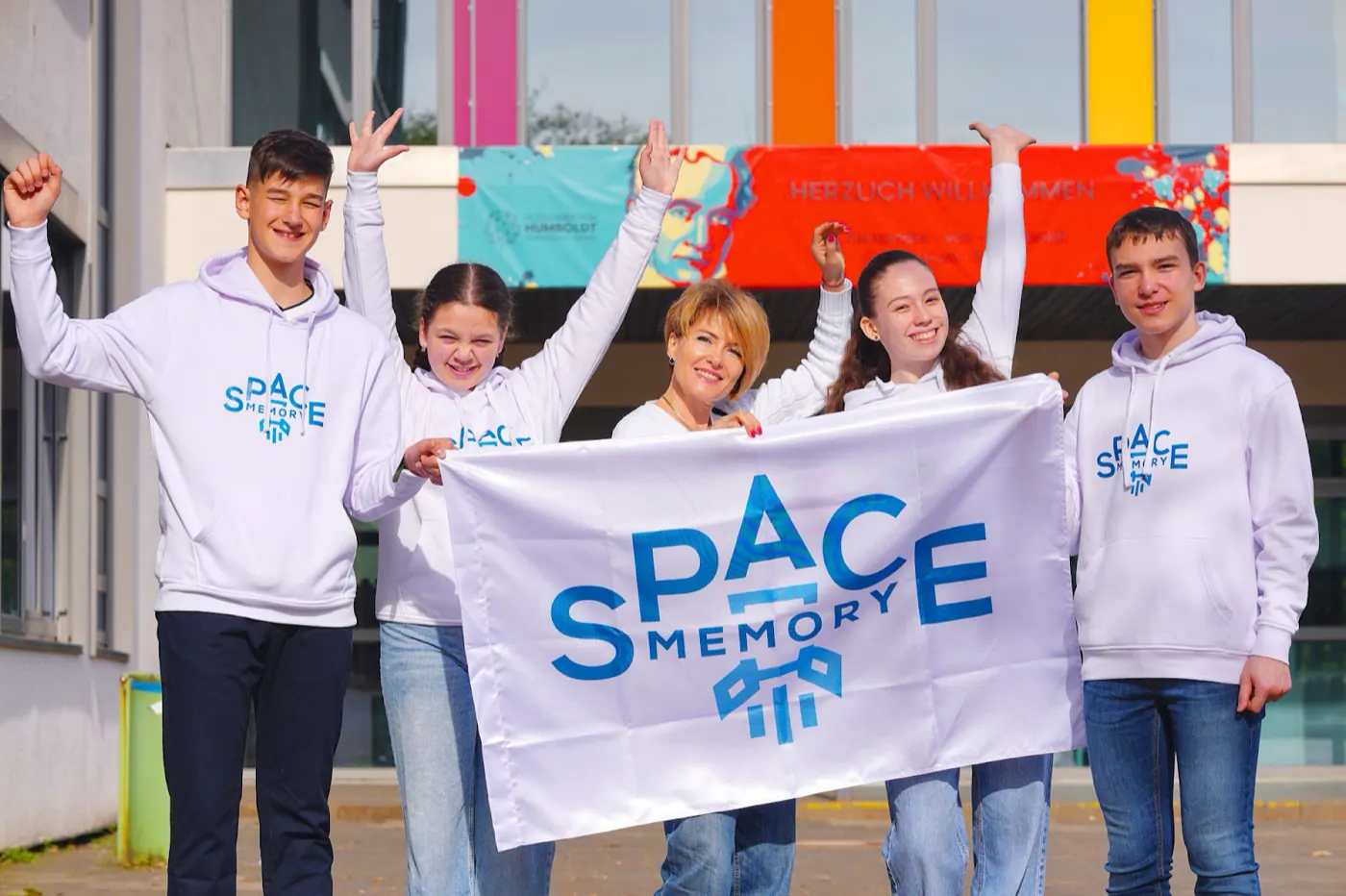
Space Memory team with the school flag at a memory olympiad in Germany, 2024
Student with a cup and a diploma, Germany 2024
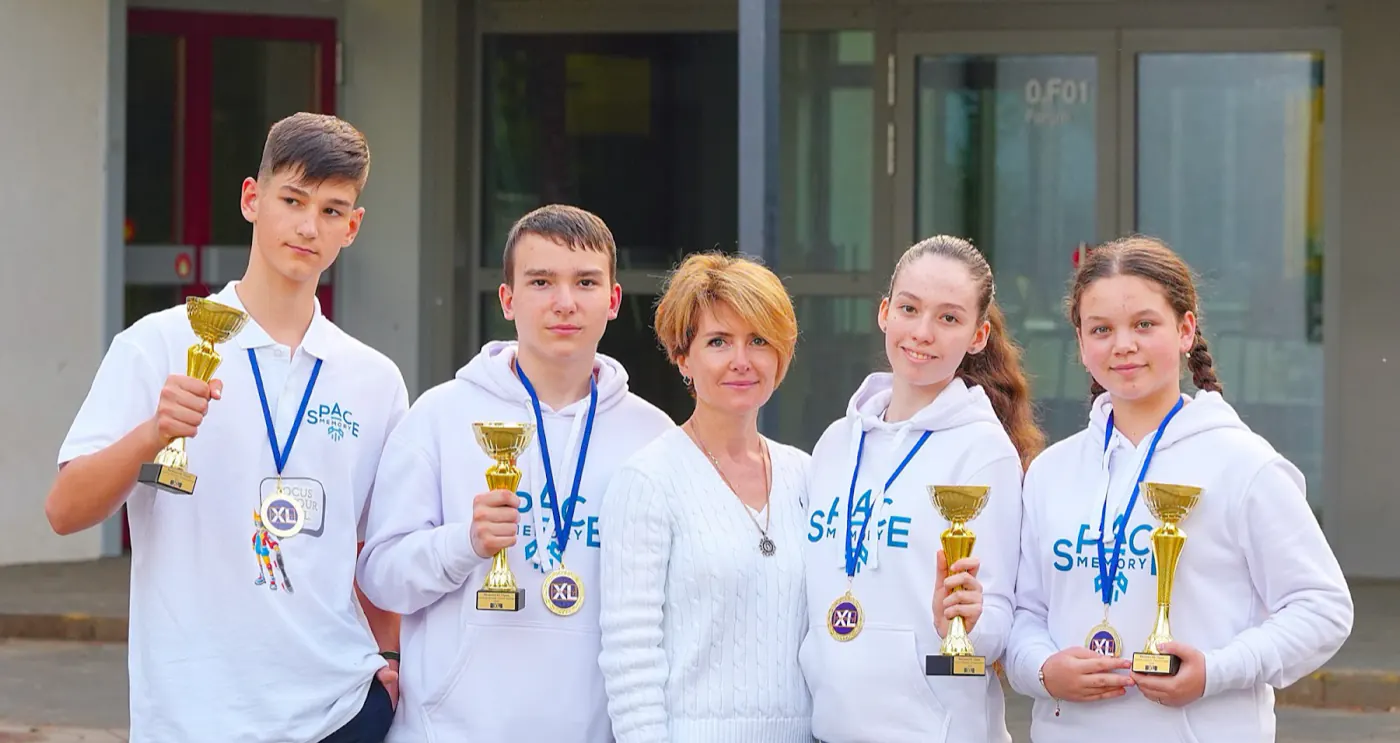
Space Memory medallists with their coach, Germany 2024

Photos from the memory olympiad in Germany (2024) that our students travelled to.

Method

How we teach

The Space Memory method is a fixed sequence: well-known memory techniques, text work and regular practice — always on school material.

01 Memory techniques

Images, associations, chains, the memory palace — introduced one by one, on vocabulary, dates and poems.

02 Text work

Reading, information structure, picking out the key points of a chapter.

03 Regular practice

Short exercises between lessons on the platform — a separate one for every technique.

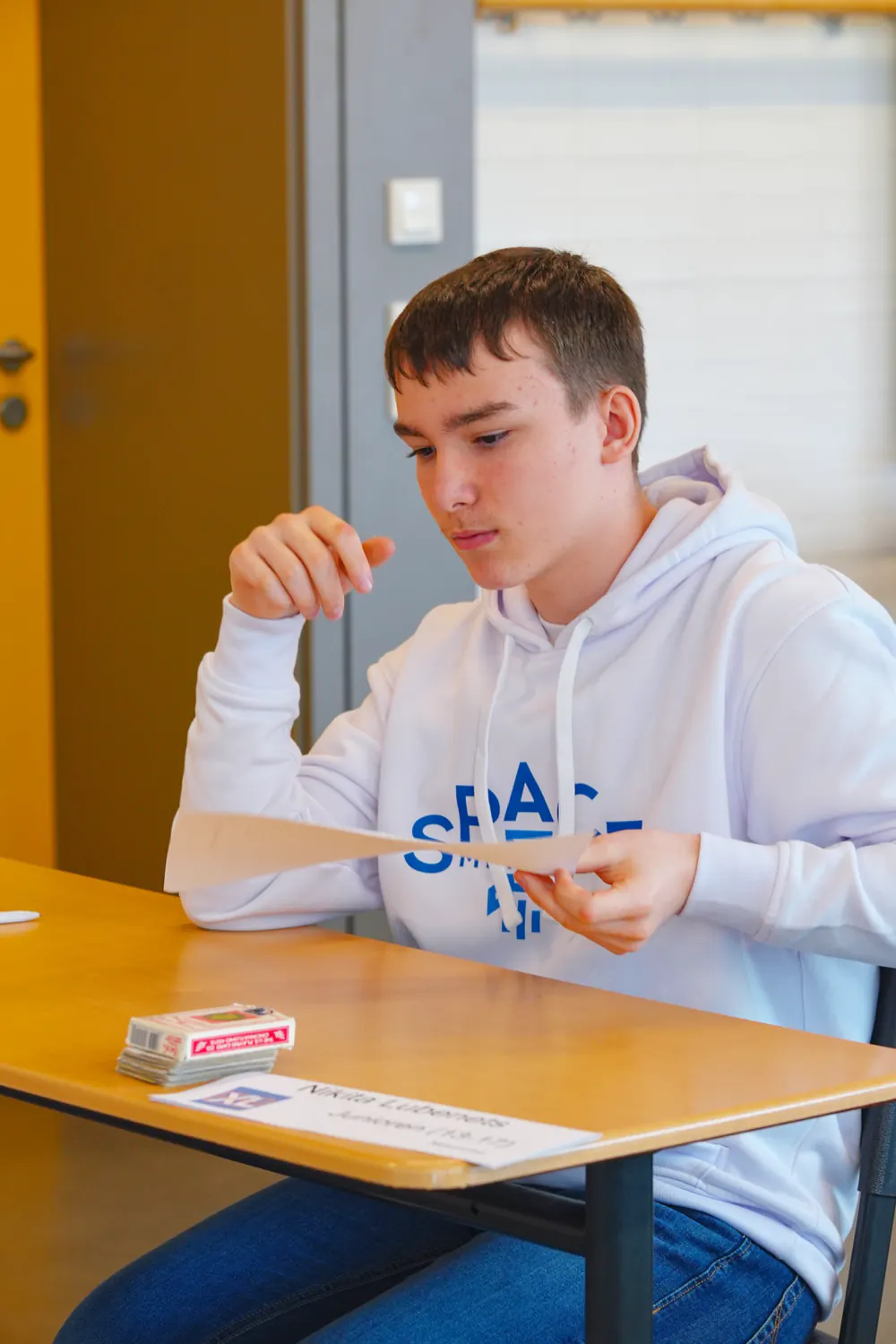
Student in a Space Memory hoodie memorising cards at a competition

FAQ

Questions and answers

What is Space Memory?

An online school where children aged 8–18 learn memory techniques, speed reading and a way of working with school material. It was founded by Natalia and Karolina Lubenets; lessons are held in small groups, from any country.

What age is Space Memory for?

Children aged 8–18. From eight, because the techniques rely on confident reading and writing.

How big are the groups and how long are lessons?

A group is 5–10 children. A lesson lasts 90 minutes, once a week, online — four meetings a month.

How is this different from mental arithmetic?

Mental arithmetic trains mental calculation. We teach memory techniques and speed reading: the child memorises vocabulary, dates, poems and texts and reads faster with understanding. They are different skills; one does not replace the other.

How much does the child practise between lessons?

Briefly but regularly: about 10 minutes a day on the platform, with a separate exercise for every technique. The monthly route shows which days were done.

Isn't this just more screen time?

Here the screen is a learning tool: 90 minutes once a week with a coach online and about 10 minutes of practice a day. The reward system recognises completed tasks, not time spent in the app — sitting in front of the screen longer gains nothing.

Does a parent need to sit next to the child during lessons?

No. The child works with the coach and the group on their own. A parent can check on the platform at any time which exercises have been done.

How soon will we see results?

The way of studying changes first: the child starts using techniques from lessons on words, dates and texts from school. Scores on memory tasks rise more slowly — regularity counts, not a single week.

Do we need to install anything?

No. For lessons a computer or tablet and internet are enough. The platform works in the browser, and practice works on a phone too.

Can we study from another country?

Yes, all lessons are online — from any city or country, you only need internet.

How is Space Memory different from tutoring?

A tutor helps with one subject. We teach a way of working with material — memorising, reading and planning an answer — that the child carries into every subject.

Will it help with exam preparation?

We teach methods that help when preparing: memorising dates, terms and vocabulary, working with texts and planning an answer — always on school material.

Will it help a child with ADHD or dyslexia?

These are developmental classes; children with a diagnosis study with us too. If you suspect ADHD or dyslexia, the first step is to see a specialist.

Is there a trial lesson?

Yes, a free demo lesson on request — leave a request and a manager will suggest a time. After it you can start with a discounted first month.

When do lessons take place?

Once a week, on a fixed day and at a fixed time for the chosen group. A manager picks a group at a time that suits the family.

What does it cost?

The first month is ≈ $94, then ≈ $125 a month; the manager will confirm the exact amount.

What if a child misses a lesson?

One missed lesson a month can be made up — a manager will arrange the time.

How does the free test work?

The short version is two games — digit span and matrices — about four minutes, no sign-up, with an instant result. It shows what comes easier to the child and what is harder.

What language are the lessons in?

There are no English-language groups at the moment; the language depends on the group. You can still leave a request — a manager will confirm the language and suggest a group that suits your child.

More about Space MemoryTap to expand

Space Memory online across Poland

Classes are held online only, so a child learns from home — the same way in every city. Pages for parents in the largest cities:
See whether Space Memory suits your child

Request a call, check your child with the free test, or simply talk to us.

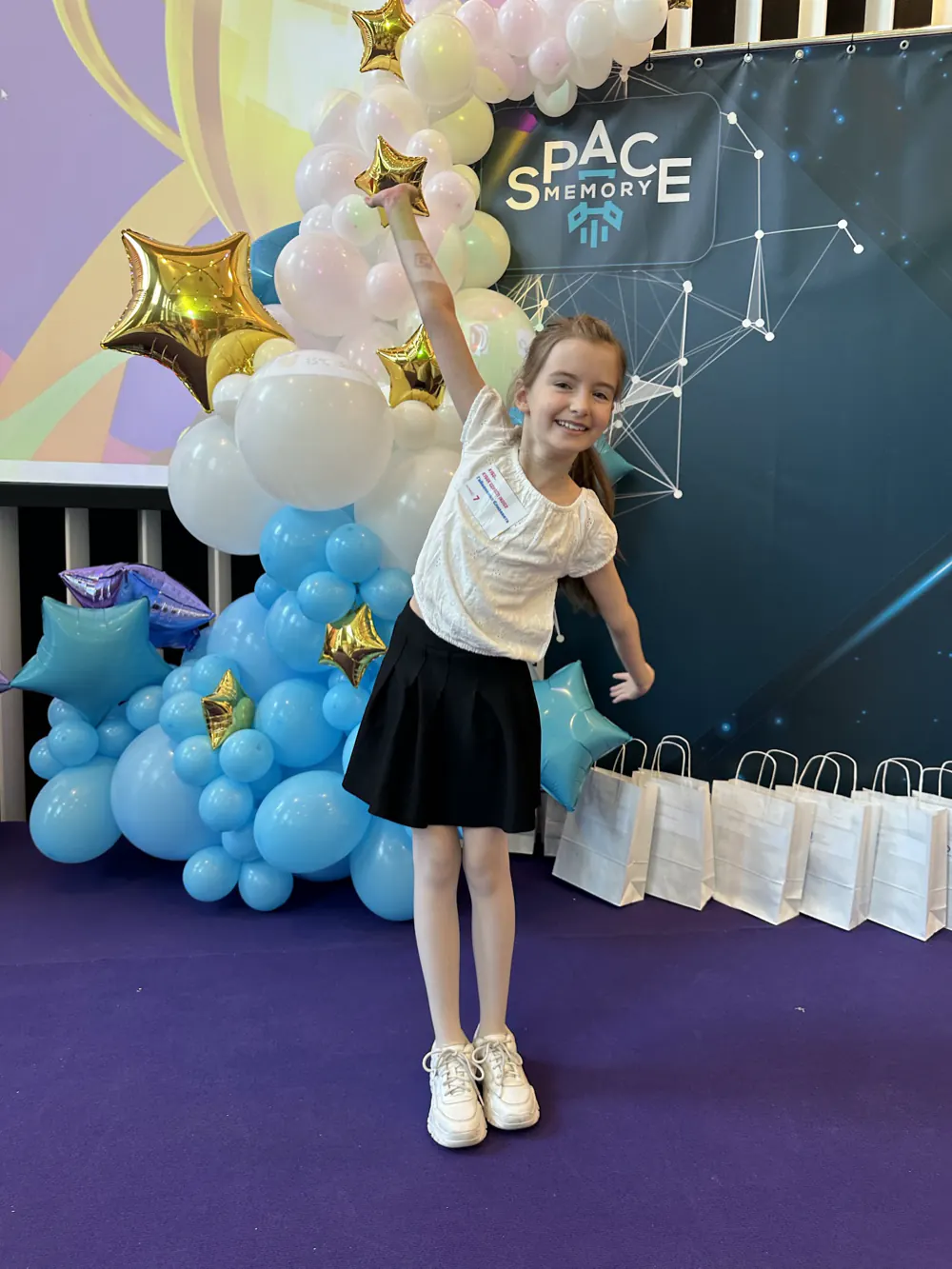
Happy student at the Space Memory Olympiad in Warsaw
Free consultation
Request a call